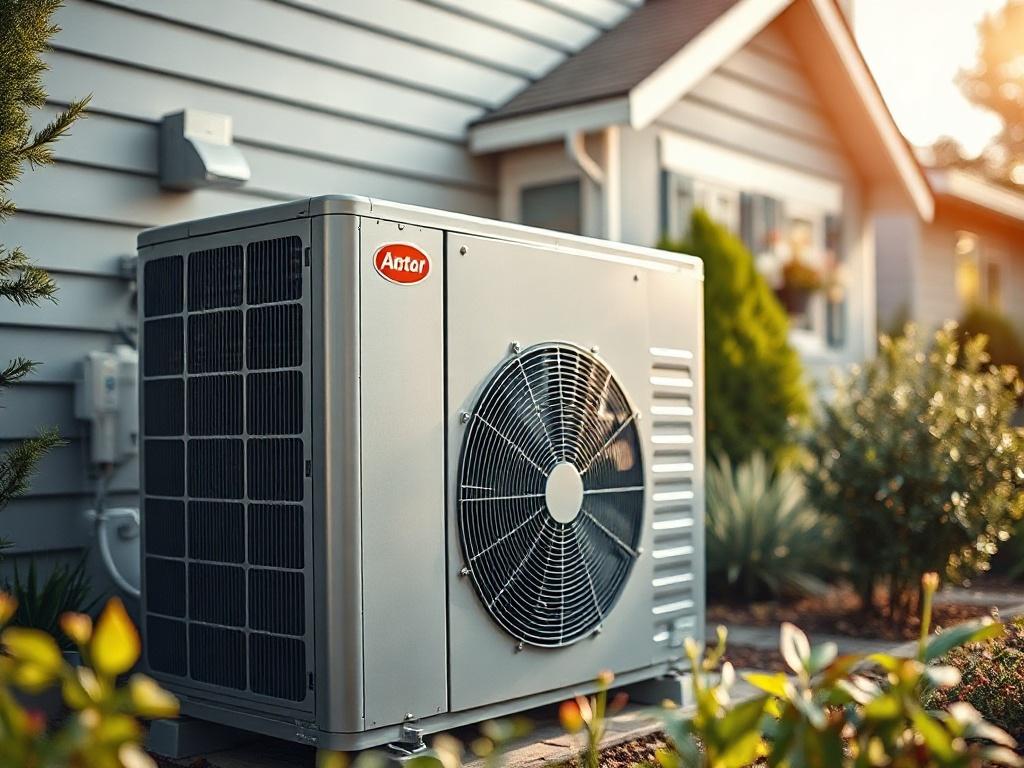
Heat pumps have become a popular choice for homeowners looking for efficient, year-round comfort. If you're considering an installation or already have one running in your home, you're probably wondering how long it will last. The answer depends on a few different factors, many of which are within your control. This guide will explain what you need to know about heat pump lifespan and how to help yours go the distance.
Most heat pumps last between ten and fifteen years when properly maintained, though some systems can last even longer under ideal conditions. This lifespan is similar to that of a traditional air conditioner, since heat pumps use much of the same core technology. Where you live and how often the system runs both play a role in determining where your unit falls within that range. A heat pump used year-round for both heating and cooling may wear down faster than one used only seasonally.
Several variables affect how long a heat pump will realistically perform before it needs replacing. Understanding these factors can help you set realistic expectations and take steps to protect your investment. A few of the biggest influences include:
Heat pumps in hot climates tend to run more frequently since they're relied on for both heating and cooling throughout most of the year. This added runtime can lead to greater wear over time compared to systems in milder climates. In desert regions like Arizona, heat pumps often work hard during long, intense summers, which makes proper maintenance even more important. Choosing a system built to handle these demands can also make a noticeable difference in longevity.
A heat pump that isn't installed correctly is more likely to experience problems long before it reaches the end of its expected lifespan. Improper sizing, poor ductwork connections, or incorrect refrigerant charge can all place unnecessary strain on the system. Working with an experienced, licensed technician for installation helps ensure the unit performs as intended from day one. Cutting corners during installation often leads to higher costs down the road.
Routine maintenance is one of the most effective ways to protect your heat pump and extend its expected lifespan. A well-maintained system runs more efficiently, experiences fewer breakdowns, and often lasts longer than one that's neglected. Scheduling professional maintenance at least once a year gives a technician the chance to catch small issues before they turn into costly repairs.
Beyond professional tune-ups, there are a few simple habits homeowners can practice to support their system's performance. Changing air filters regularly keeps airflow consistent and reduces strain on the unit. Keeping outdoor components free of debris, leaves, and dirt also helps the system run more efficiently. Paying attention to unusual noises, reduced airflow, or inconsistent temperatures can help you catch problems early.
As a heat pump approaches the end of its lifespan, you may notice it running longer to reach the same temperature or requiring more frequent repairs. Rising energy bills without a clear explanation can also signal declining efficiency. If your system is approaching or past the ten- to fifteen-year mark and repair costs keep piling up, it may be more cost-effective to consider a replacement. A professional evaluation can help you decide whether repair or replacement makes more sense for your situation.
A little routine care goes a long way toward protecting your heat pump investment. Our team at Dr. Kool HVAC is here to help with maintenance, repairs, and honest guidance on when it might be time for a new system. Reach out to us today to schedule your next service visit.
 Jack C. Hvac