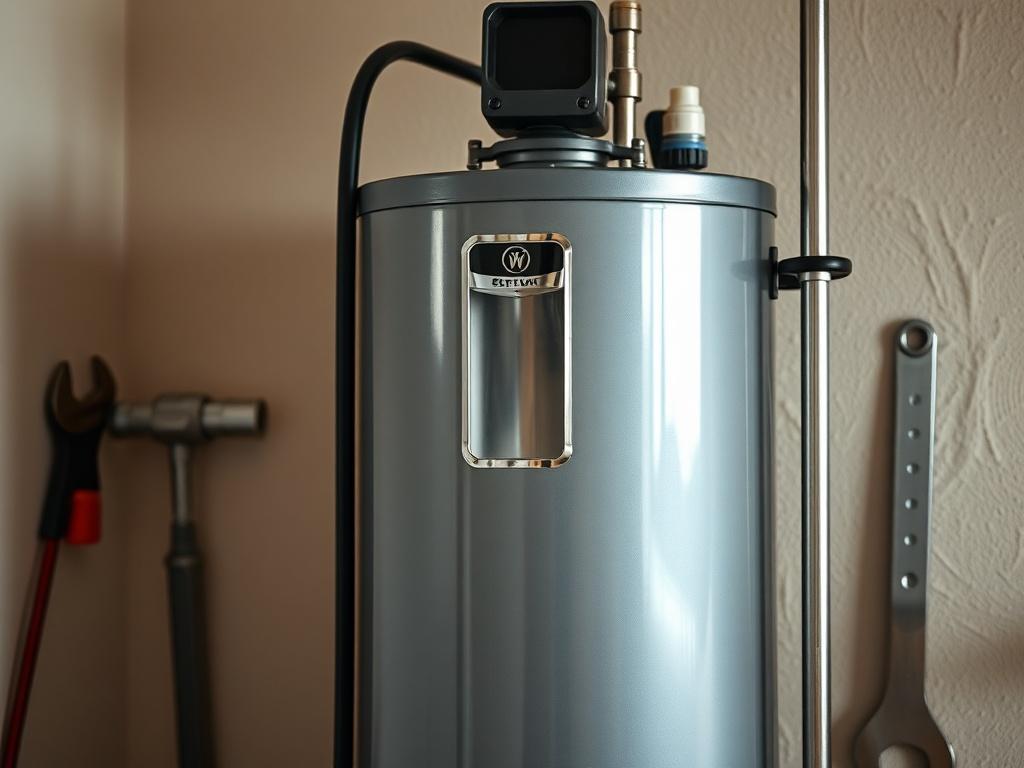
Most homeowners only think about their water heater when something goes wrong. By the time January rolls around and you are standing under a stream of ice-cold water, the damage is already done. The good news is that a simple 10-minute inspection can catch problems before they turn into expensive mid-winter repairs. This is one of those rare maintenance tasks that takes almost no time but pays off in a big way.
Cold weather puts extra stress on your entire HVAC and plumbing system, and your water heater is no exception. Incoming groundwater is significantly colder during winter months, which means your unit has to work harder to reach the set temperature. That extra strain can push an already struggling heater over the edge. A unit that was barely keeping up in October may fail by the time a cold front hits.
Water heater failures also tend to spike right after the holidays, when repair companies are in high demand and wait times stretch out. Getting ahead of the problem now means you avoid the rush and the premium pricing that often comes with emergency service calls.
You do not need to be a plumber to perform this check. Grab a flashlight, give yourself 10 minutes, and look for the following warning signs:
If you spot any of these, do not wait. Small issues become big, costly ones when left unaddressed through the coldest months of the year.
One of the most overlooked causes of water heater failure is sediment buildup at the bottom of the tank. Over time, minerals naturally present in your water supply settle and harden against the heating element. This layer acts as insulation, forcing the element to work harder and run longer to heat the same amount of water. Eventually, it burns out.
Flushing your water heater once a year removes that buildup and dramatically extends the unit's life. It takes about 20 minutes and requires nothing more than attaching a garden hose to the drain valve. If you have never done it, there is a good chance your heater is already working harder than it needs to be.
Most water heaters are factory-set between 120 and 140 degrees Fahrenheit. During winter, some homeowners crank up the thermostat, thinking it will perform better. This is actually counterproductive and can accelerate wear on internal components. The Department of Energy recommends 120 degrees as the sweet spot for efficiency and safety.
While you are at it, listen for any unusual sounds when the unit kicks on. Popping, banging, or rumbling noises are classic signs of sediment buildup or a failing element. These sounds tend to get louder and more frequent as the problem worsens.
The anode rod is a metal rod inside your tank designed to attract corrosive elements and sacrifice itself so the tank lining stays intact. It is genuinely one of the most important components in your water heater, and most people have never heard of it. Once the rod is depleted, corrosion turns its attention to the tank itself, leading to rust, leaks, and premature failure.
Anode rods typically last three to five years, though water quality in your area plays a role. If your water heater is more than three years old and you have never had the rod inspected, this winter is a good time to have a professional take a look.
Some things you can handle yourself, and some things you really should not. If you notice active leaking, a pilot light that will not stay lit, or water that smells like rotten eggs (a sign of bacterial growth in the tank), those are situations that require a trained technician. Attempting DIY repairs on gas lines or pressure components can be genuinely dangerous.
At Dr. Kool Cooling and Heating, we believe that no one should be caught off guard by a failing water heater in the middle of winter. Our team of licensed technicians is equipped to inspect, flush, and service your water heater before the cold season peaks. Whether you need a quick tune-up or a full replacement, we are here to make the process straightforward and stress-free. Schedule your appointment today, and let us make sure your home is ready for whatever January throws its way.
 Jack C. Hvac