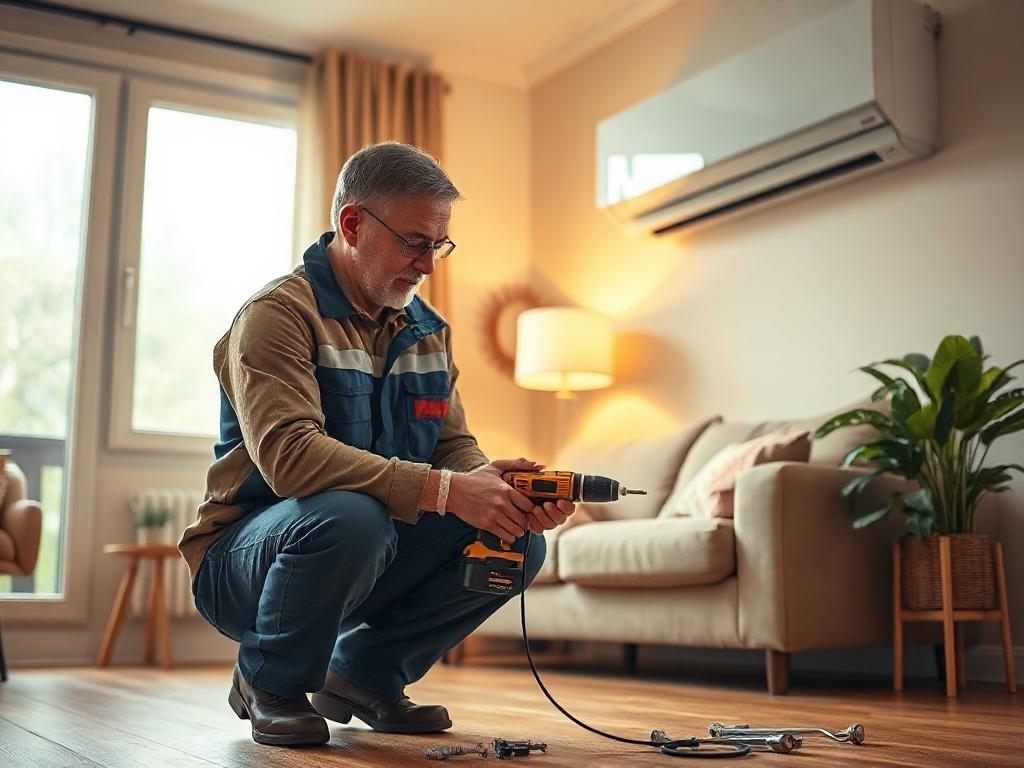
Investing in a new heating system is an important decision for any homeowner. Whether you're replacing an aging unit or installing a system in a newly constructed home, understanding the heating installation process can help you feel more confident and prepared.
A professional heating installation does more than simply connect a new unit. It involves careful planning, system selection, proper sizing, and thorough testing to ensure your home remains comfortable, energy efficient, and safe for years to come.
A heating system is one of the most important components of your home's comfort system. Proper installation directly affects performance, efficiency, reliability, and longevity.
Even the highest-quality heating equipment may struggle to perform properly if it is installed improperly. Professional installation helps ensure that every component functions as intended and complies with safety standards.
The installation process typically begins with a detailed assessment of your home. Heating professionals evaluate several factors to determine the most appropriate system for your space.
This assessment helps ensure that the selected equipment can effectively heat your home without wasting energy.
Technicians may review:
Gathering this information allows the installer to recommend a heating solution that matches your home's unique requirements.
Once the evaluation is complete, the next step is to choose the appropriate heating equipment. Different homes have different heating demands, making system selection a critical part of the process.
Homeowners may have several options depending on their budget, energy goals, and existing infrastructure.
Popular choices include:
Your HVAC professional can explain the advantages of each option and help you determine which system best fits your needs.
Before installation begins, technicians prepare the work area and ensure all necessary equipment and materials are available.
If an older heating system is being replaced, the existing equipment must first be disconnected and removed. Proper disposal of old components is an important part of the process.
Technicians also inspect electrical connections, gas lines, ventilation systems, and ductwork to identify any issues that may need attention before the new unit is installed.
The actual installation process varies depending on the type of heating equipment being installed. However, most projects involve positioning the unit, connecting utility lines, and integrating the system with the home's existing infrastructure.
Professional installers carefully follow manufacturer specifications to ensure optimal performance and warranty compliance.
The installation process may include:
Attention to detail during this phase helps support long-term system reliability.
After installation is complete, technicians perform a series of tests to verify proper operation. Testing helps identify any adjustments that may be needed before the system is placed into regular use.
Calibration ensures that airflow, temperature output, and system controls operate correctly.
Testing often includes:
These final checks help ensure the heating system delivers reliable comfort throughout the home.
Modern heating systems are designed with energy efficiency in mind. Proper installation plays a significant role in maximizing those efficiency benefits.
A correctly sized and professionally installed system can help reduce energy consumption, improve indoor comfort, and potentially lower monthly utility costs.
Regular maintenance after installation can further support long term performance and efficiency.
A new heating system is a valuable investment in your home's comfort, efficiency, and long-term performance. Understanding what happens during a professional heating installation can help you make informed decisions and feel confident throughout the process.
At Dr Kool Cooling and Heating, we're committed to providing reliable heating solutions and exceptional service. If you're considering a new heating system, connect with our team. We look forward to helping you choose and install a heating system that keeps your home comfortable year-round.
 Jack C. Hvac