Your HVAC system has a simple job. It keeps your home comfortable when temperatures rise or fall. But like any mechanical system, it needs regular care to keep doing that job well.
Many homeowners wait until the air conditioner stops cooling or the heating system refuses to start before calling a technician. By then, a small issue can become an expensive repair.
Regular HVAC maintenance service takes a different approach. Instead of waiting for something to fail, you inspect and service the system before problems interrupt your comfort.
Routine maintenance helps your heating and cooling equipment run efficiently, keeps energy use under control, and reduces the risk of unexpected breakdowns. It also gives you a better idea of your system's condition and helps you plan for repairs or replacement when the time comes.
Here's why regular maintenance deserves a place on your home-care checklist.
Heating and cooling equipment can run for hours at a time, especially during periods of extreme weather. Every cycle puts some wear on motors, electrical components, fans, coils, filters, and other parts.
Dust and dirt add to the problem. A dirty filter restricts airflow, while dirty coils make it harder for the system to transfer heat. When the equipment has to work harder to reach the temperature you set, it uses more energy and experiences more strain.
The U.S. Department of Energy recommends regular filter cleaning or replacement and keeping heating and cooling equipment properly maintained. (The Department of Energy's Energy.gov)
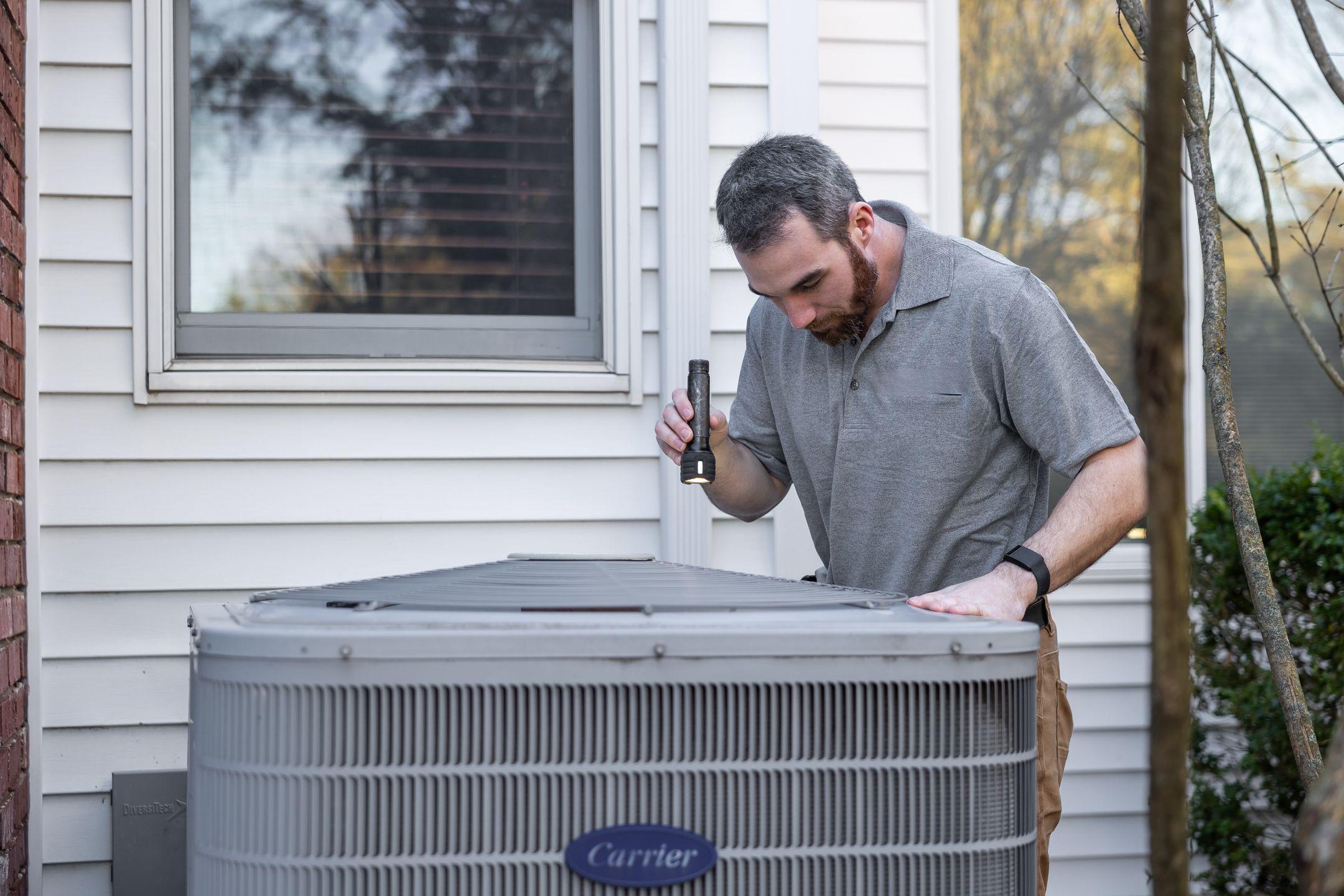
A maintenance visit gives a technician an opportunity to inspect these components and address problems before they affect system performance.
You notice when your HVAC system is not performing properly.
Maybe one room feels warmer than another. Maybe the system runs longer than it used to. Perhaps the air coming from the vents does not feel as strong.
These signs do not always mean you need a new system.
A clogged filter, dirty coil, airflow problem, loose electrical connection, or blocked condensate drain can affect performance. During routine HVAC maintenance service, a technician can inspect the system, clean relevant components, check controls, and identify issues that need attention.
ENERGY STAR recommends annual pre-season checkups, with cooling systems checked before the cooling season and heating systems checked before the heating season. (ENERGY STAR)
Regular service does not guarantee that a system will never fail. It does give you a better chance of catching developing problems early.
Your HVAC system is one of the larger energy users in your home. That makes efficiency important.
When airflow is restricted or components become dirty, your system has to work harder. That extra work can increase energy consumption.
A clean filter is a simple example. When a filter becomes clogged, airflow drops. The system then has to run longer or work harder to move conditioned air through your home.
The Department of Energy notes that routinely replacing or cleaning air filters can reduce an air conditioner's energy consumption by 5% to 15%, depending on conditions. (The Department of Energy's Energy.gov)
Professional maintenance goes beyond the filter. A technician can check airflow, coils, electrical components, controls, drains, and other parts that affect how efficiently the system operates.
That can help your HVAC equipment deliver the comfort you want without wasting energy.
An HVAC failure rarely happens at a convenient time.
Your air conditioner does not care that you have guests coming over. Your heating system does not check your calendar before developing a problem.
A failed capacitor, electrical issue, clogged drain, worn component, or airflow problem can leave you without heating or cooling when you need it most.
Routine maintenance gives a technician a chance to spot warning signs before they become an emergency.
For example, a technician may find an electrical connection that needs attention or a component showing signs of wear. Fixing that issue during a scheduled visit is usually easier than discovering it after the system stops working.
This is one of the main reasons preventative maintenance makes sense. You are not trying to prevent every possible failure. You are reducing avoidable problems and dealing with known issues sooner.
HVAC systems are significant investments.
You want your equipment to provide reliable service for as long as it reasonably can. Poor maintenance can work against that goal.
Dirt, restricted airflow, poor lubrication, and other maintenance problems can increase strain on equipment. ENERGY STAR identifies dirt and neglect as major causes of heating and cooling system inefficiency and failure. (ENERGY STAR)
Regular HVAC maintenance service helps keep components clean and operating as intended.
It also gives you a maintenance history. Over time, that information can help you understand how your system is performing and whether repair or replacement makes more financial sense.
Some HVAC maintenance starts with something you can do yourself.
Check your air filter regularly. ENERGY STAR recommends checking it every month during periods of heavy use and replacing it when it is dirty, with three months as a general minimum for many systems. Your equipment manufacturer's instructions should take priority because filter requirements vary. (ENERGY STAR)
A clean filter helps maintain airflow and keeps dust from building up inside the system.
But a filter is only one part of HVAC maintenance. Professional service addresses components that require the right tools, training, and safety procedures.
The easiest way to stay on top of HVAC care is to schedule it before you need it.
Consider arranging cooling maintenance before the period when you expect the most cooling demand. Schedule heating maintenance before the heating season begins.
Also pay attention to changes in your system. Unusual noises, weak airflow, uneven temperatures, frequent cycling, unusual smells, or rising energy bills deserve attention.
You do not have to wait for a complete failure before calling a professional.
For more information, see the ENERGY STAR HVAC Maintenance Checklist and the U.S. Department of Energy's Guide to Home Heating and Cooling.
Regular HVAC maintenance service is not about fixing something that is already broken. It is about keeping your heating and cooling system in good working condition and finding problems before they become bigger problems.
You can benefit from more consistent comfort, better system performance, controlled energy use, and fewer unexpected repairs. You also get a clearer picture of your equipment's condition.
If your HVAC system has not had a professional checkup recently, now is a good time to schedule one.
Contact Dr. Kool HVAC to arrange your HVAC maintenance service and keep your home heating and cooling system ready for the season ahead.
 Jack C. Hvac