Most people don’t think about their water heater until something goes wrong. The water runs cold. The tank leaks. Or strange noises start coming from the utility room.
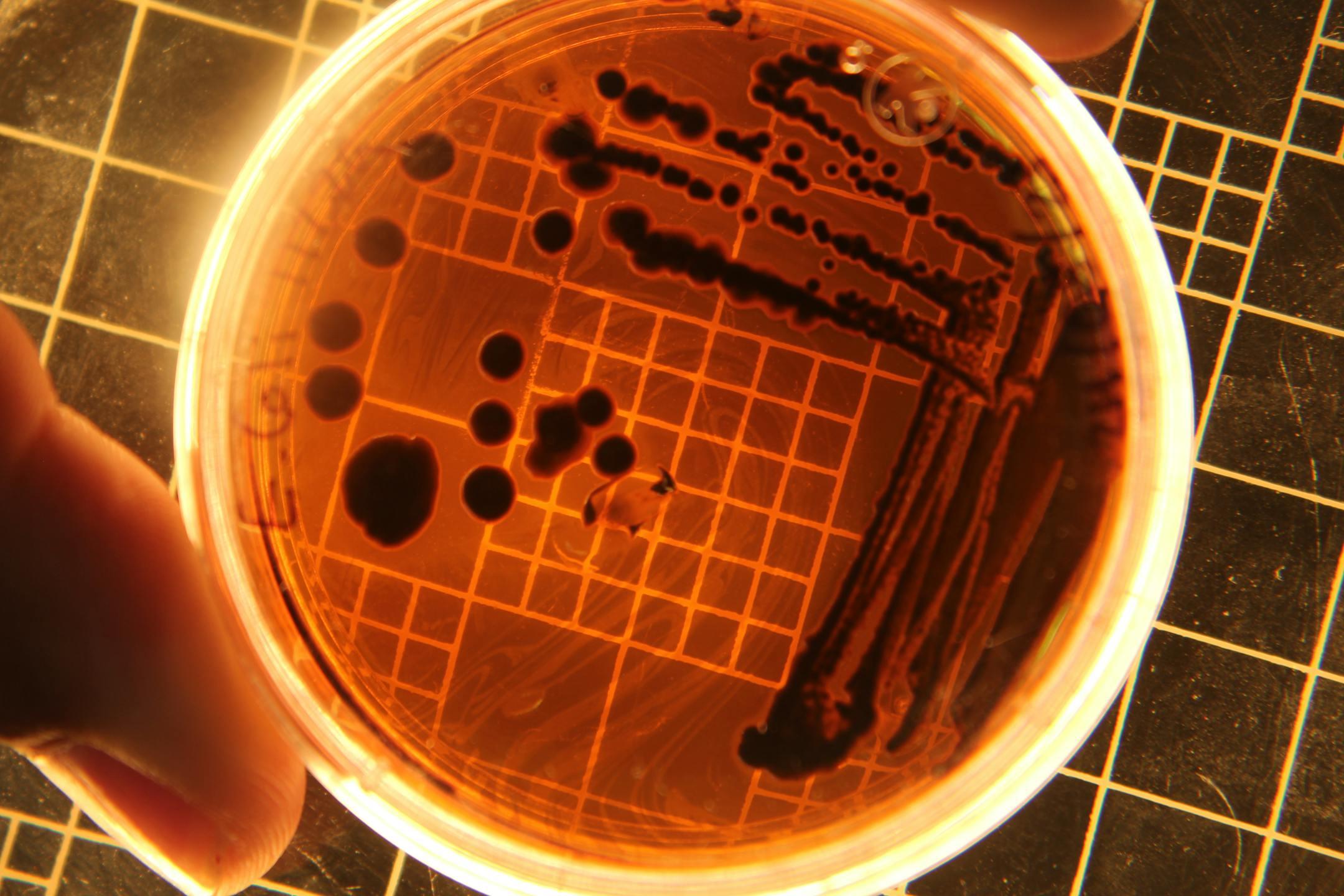
But there’s another issue most homeowners never see: the inside of the tank is rarely clean.
Over time, sediment and bacteria build up inside water heaters. It happens slowly, and the signs are easy to miss. That’s why preventative maintenance on a hot water heater matters more than most people realize.
A little maintenance keeps your system efficient, protects your home’s water quality, and extends the life of the unit.
Let’s look at what actually happens inside a water heater—and why ignoring it creates problems.
Your water heater does one simple job: it heats and stores water for your home. But the water that enters the tank isn’t perfectly clean.
Even treated municipal water carries minerals and small particles. If your home uses well water, those minerals are often higher.
When the water heats up, those minerals separate and sink to the bottom of the tank. This creates a layer of sediment.
Over time, that layer thickens.
It acts like insulation between the heating element and the water above it. That forces the heater to work harder and longer to heat the same amount of water.
And that’s only part of the issue.
Warm water also creates an environment where bacteria can grow if the tank isn’t maintained properly.
This is why regular preventative maintenance on a hot water heater isn’t just about performance. It’s about keeping the entire system healthy.
Many homeowners assume sediment buildup takes decades. In reality, it can start forming in the first year.
The amount depends on your water quality.
Hard water areas see faster accumulation because the water contains higher levels of calcium and magnesium.
When sediment piles up, it creates several problems:
Those popping sounds you sometimes hear? That’s water trapped under sediment trying to escape as it heats.
It’s your water heater telling you something isn’t right.
Routine preventative maintenance on a hot water heater removes this buildup before it turns into a bigger issue.
Most municipal water systems treat water to reduce bacteria. But inside a water heater, conditions can change.
Water heaters hold warm water for long periods. If temperatures drop too low or sediment builds up, bacteria can grow in the tank.
This doesn’t mean every water heater becomes unsafe. But neglect increases the risk.
Maintenance helps prevent this by flushing the tank and keeping internal components working correctly.
Consistent preventative maintenance on a hot water heater helps maintain the right operating temperature and keeps water circulating properly.
Inside most water heaters is a component called an anode rod.
Its job is simple: it attracts corrosive elements in the water so they attack the rod instead of the tank lining.
Think of it as a sacrificial part.
But anode rods wear out over time. When they’re gone, corrosion starts affecting the tank itself.
This is often the point where leaks begin.
During preventative maintenance on a hot water heater, technicians inspect and replace the anode rod if needed. It’s a simple step that can add years to the system’s life.
Without that inspection, the rod may fail quietly.
And the next sign you see is water on the floor.
Sediment buildup doesn’t just affect performance. It also increases energy use.
When heating elements sit under a layer of sediment, heat transfer slows down. The system has to run longer to produce the same amount of hot water.
That means higher electricity or gas bills.
It also increases wear on the heater’s components.
Over time, that extra strain leads to breakdowns.
Regular preventative maintenance on a hot water heater keeps heating elements clear and operating efficiently. The system works less and lasts longer.
Many homeowners assume maintenance is complicated. In reality, most tasks are straightforward when handled by an experienced technician.
Typical preventative maintenance on a hot water heater includes:
Flushing alone removes a large amount of sediment buildup.
And when done regularly, the process takes far less time because the buildup never gets out of control.
Most water heaters benefit from service once a year.
Homes with hard water sometimes need more frequent flushing because mineral buildup happens faster.
The good news is that routine service prevents most common water heater failures.
It keeps the system efficient and reduces the chance of emergency repairs.
And compared to replacing a water heater, maintenance is simple and affordable.
Water heaters rarely fail overnight.
Most breakdowns begin with small issues:
Without service, those small problems grow.
Sediment traps heat. Metal expands and contracts. Corrosion spreads.
Eventually the tank weakens.
That’s when leaks appear or the system stops heating water entirely.
Regular preventative maintenance on a hot water heater catches these issues early—before they turn into expensive repairs.
A typical water heater lasts 8–12 years.
But well-maintained systems often last longer.
Why?
Because maintenance reduces stress on the tank and internal components.
Heating elements don’t overwork. Corrosion stays under control. Sediment doesn’t build up to damaging levels.
In other words, the system operates the way it was designed to.
Skipping maintenance shortens that lifespan.
Some homeowners try to flush their water heater themselves. While basic flushing can help, it doesn’t address the entire system.
A trained HVAC technician checks safety components, pressure systems, heating elements, and corrosion protection.
They also know what early warning signs look like.
And that makes a big difference.
Experienced technicians often spot small issues that homeowners would never notice.
For a system that runs every day, that level of inspection matters.
Your water heater works quietly in the background. But inside the tank, sediment and wear build up over time.
Ignoring that buildup reduces efficiency, shortens the system’s lifespan, and increases the chance of failure.
Routine preventative maintenance on a hot water heater solves those problems before they start.
It keeps your system clean, efficient, and reliable.
And it helps avoid the unpleasant surprise of suddenly losing hot water.
If your water heater hasn’t been serviced in a while, now is a good time to schedule maintenance. The team at Dr. Kool HVAC brings more than 25 years of experience helping homeowners keep their systems running properly. Reach out to our team to schedule a professional inspection and keep your hot water heater working the way it should.
 Jack C. Hvac